Winter weeds often start growing before they are easy to notice. Seeds can germinate in fall, then small plants spread through thin areas while the lawn grows slowly or turns dormant. In Rock Hill, prevention starts with two things: knowing what kind of grass you have and identifying the weed you want to prevent. A product that suits one lawn or weed may not be right for another.
Which weeds show up in cool weather?
Winter annuals grow during the cooler part of the year, then flower or set seed before warmer weather arrives. Depending on the grass and conditions, homeowners may see annual bluegrass, chickweed, henbit, lawn burweed, or other winter annuals. Perennial weeds can also remain visible through winter, so not every green plant in a dormant lawn is a winter annual.
Take a close look at leaf shape, growth pattern, and where the plant is spreading. A photo or sample can help a local extension office or lawn-care professional identify it. Clemson Extension provides separate weed guidance for warm-season lawns and tall fescue lawns, because the turf itself affects which treatments are safe.
Build a thicker lawn first
Weeds take advantage of bare or weak turf. Improve the conditions that left an opening before relying on a spray. Mow at the recommended height for the grass, avoid removing more than about one-third of the blade at a time, and adjust watering so the soil is not constantly wet or repeatedly drying out. A soil test can help reveal whether a nutrient or pH issue is contributing to thinning.
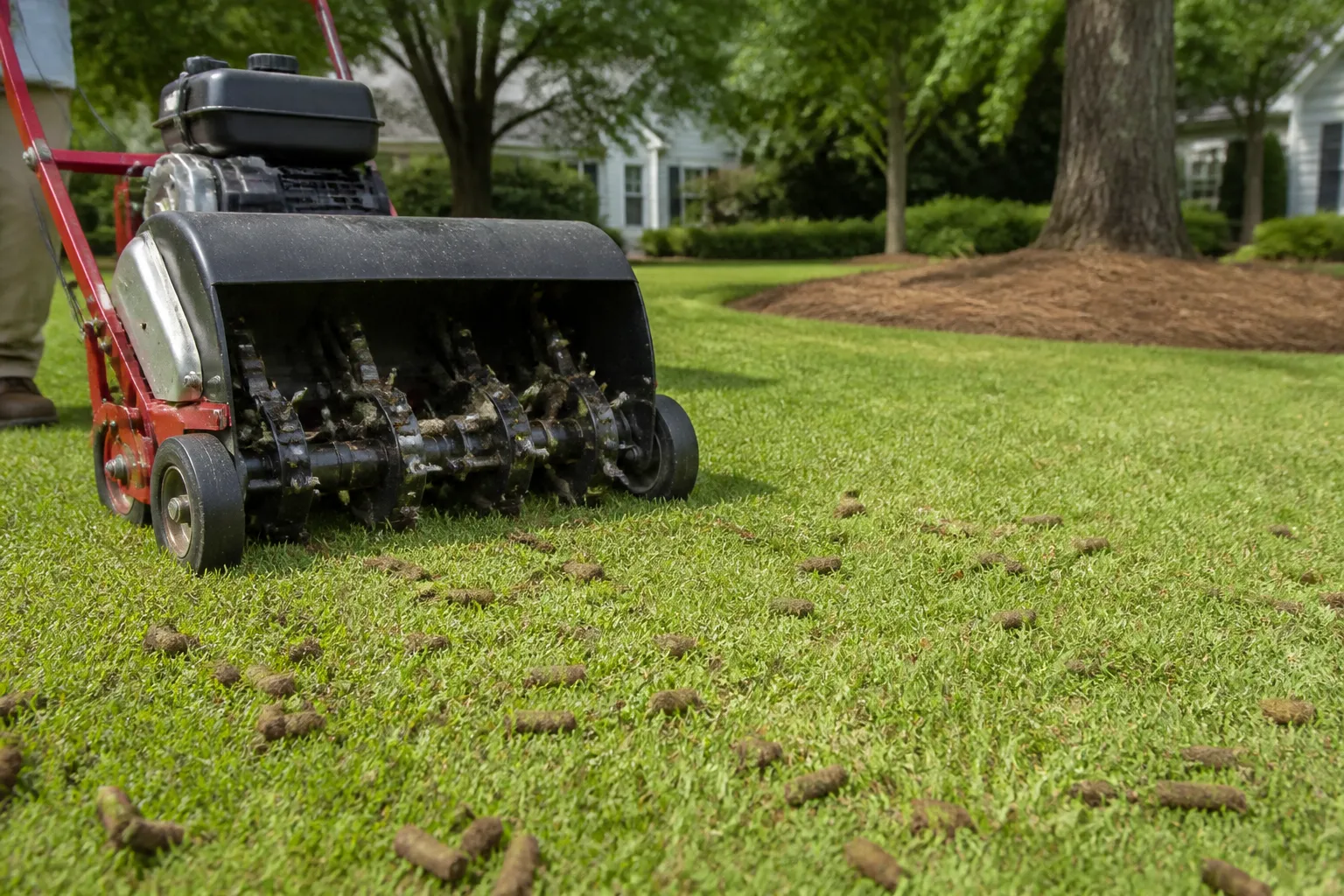
Look for causes that are specific to the patch. Heavy shade may not suit a sun-loving turf. Compacted soil can limit water and root growth. A low spot may stay wet, while a slope may dry quickly. Correcting these conditions, when possible, gives the lawn a better chance to compete with weeds over time.
Understand pre-emergent timing
A pre-emergent herbicide is applied before a weed seed germinates. It can prevent some annual weeds from establishing, but it will not remove weeds that are already growing. Clemson Extension ties fall timing to cooler nighttime temperatures and gives an average early-September window for the Piedmont. The exact timing shifts with weather, target weeds, turf species, and product directions.
That timing makes planning important. If weeds are already visible, first determine whether they are annual or perennial and choose a control approach intended for that stage. Do not assume a late pre-emergent application will control established plants. Some products need irrigation after application, while others have different requirements, so follow the label for the product you use.
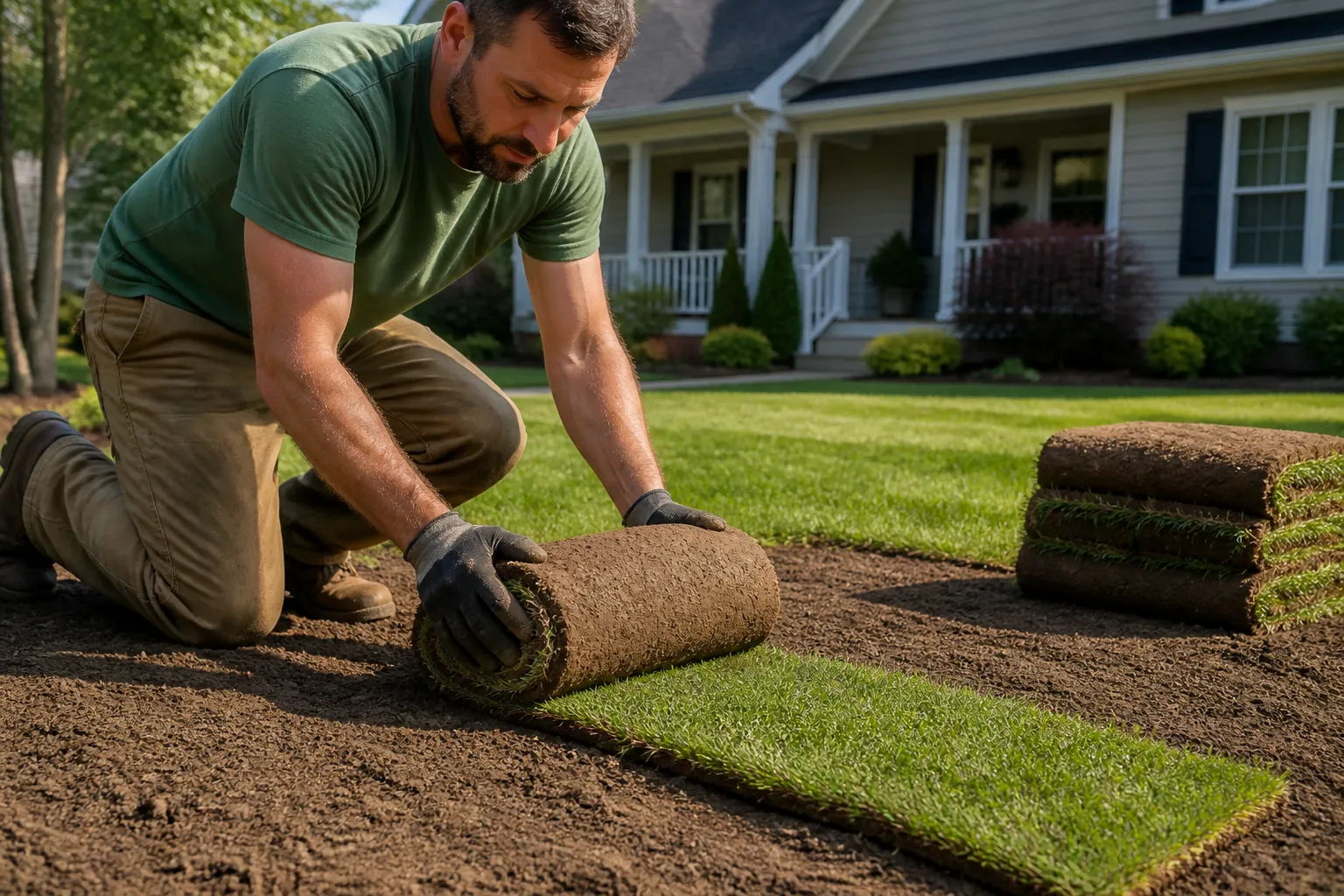
Pre-emergent products can also interfere with grass seed. If you plan to overseed a tall fescue lawn in fall, a weed preventer may stop the desired seed from germinating. Coordinate the seeding plan and any weed treatment before applying either one. Clemson Extension’s lawn weed-control timing chart is a useful reference for planning by weed and treatment stage.
For weeds you can already see
Post-emergent products target visible, actively growing weeds. The right product depends on the weed and the turf species. A treatment safe for Bermuda may injure another grass, and a product for broadleaf weeds will not necessarily control grassy weeds or sedges. Read the full label for the permitted grass types, target weeds, rate, weather limits, and instructions about mowing, watering, and reseeding.
Avoid treating drought-stressed or newly established grass unless the label specifically allows it. Wind can move spray onto flowers, shrubs, or neighboring plants. Some herbicides should not be used when warm-season turf is greening up in spring, and tall fescue can be more vulnerable during summer heat. When the lawn type or weed is uncertain, getting identification first can prevent avoidable turf damage.
Plan the next season
- Photograph the weed and note whether it is spreading in sunny, shaded, wet, or compacted areas.
- Identify the lawn grass before selecting any herbicide or seed.
- Use a soil test and appropriate mowing and watering to support dense turf.
- Schedule fall prevention before target weeds germinate, using local temperature cues and the product label.
- Keep a record of treatment dates so future seeding, aeration, and weed control do not conflict.
Weed control is easier to plan when the target and lawn type are clear. Learn more about our weed control service in Rock Hill if you would like help assessing a lawn problem.