When a lawn has bare patches or needs a full reset, the choice between sod and seed depends on the grass, season, site, and how quickly you need ground cover. Neither option fixes poor soil preparation or a drainage problem on its own. In Rock Hill, start by identifying the grass that suits your yard before deciding how to establish it.
When sod may be the better fit
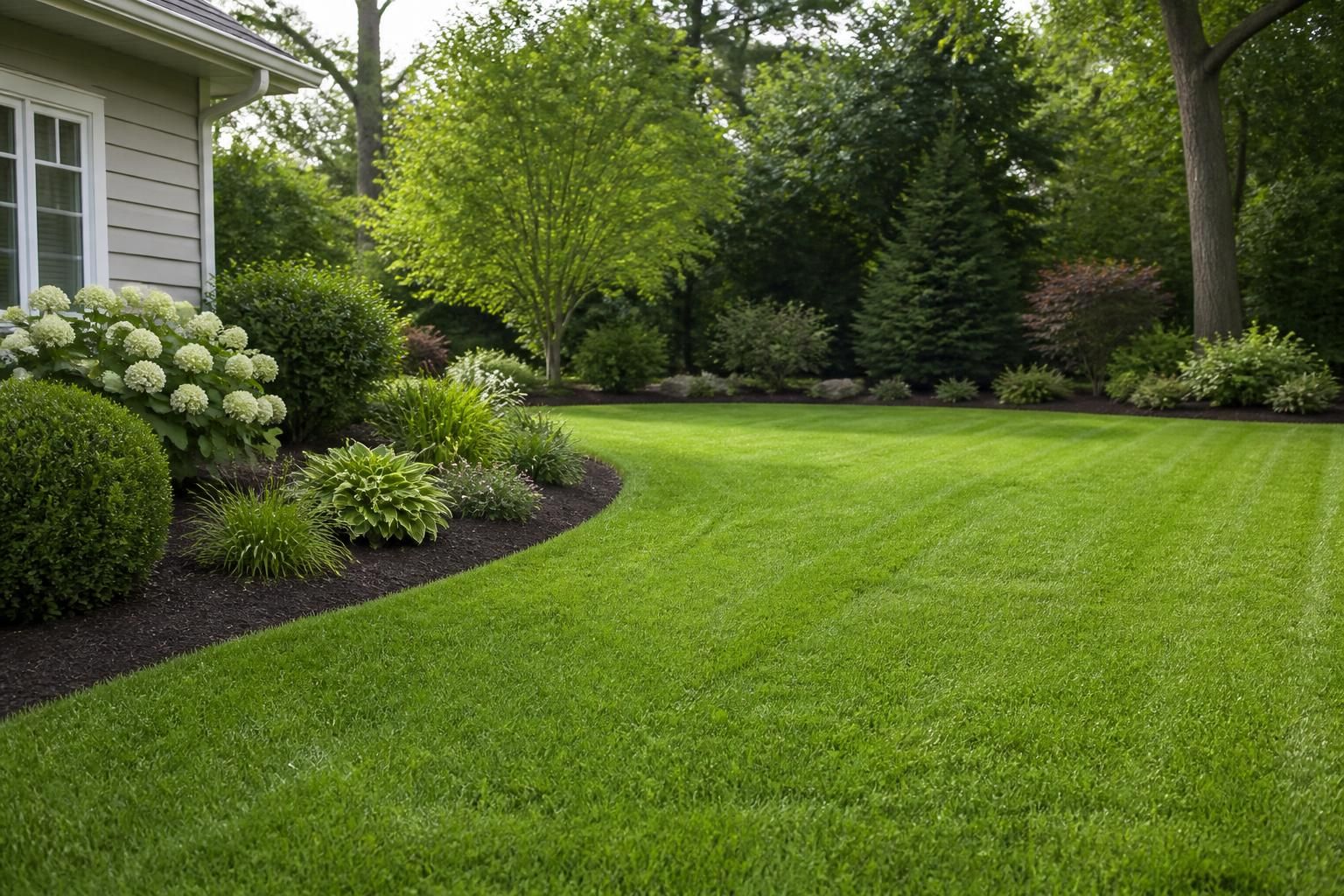
Sod arrives as living grass with roots and soil held together in strips or rolls. It gives a yard a finished appearance sooner than seed and can cover exposed soil quickly, which may be useful on a slope or in a high-visibility area. Sod still needs time to root into the prepared soil, so it should not be treated as an instant, traffic-ready lawn.
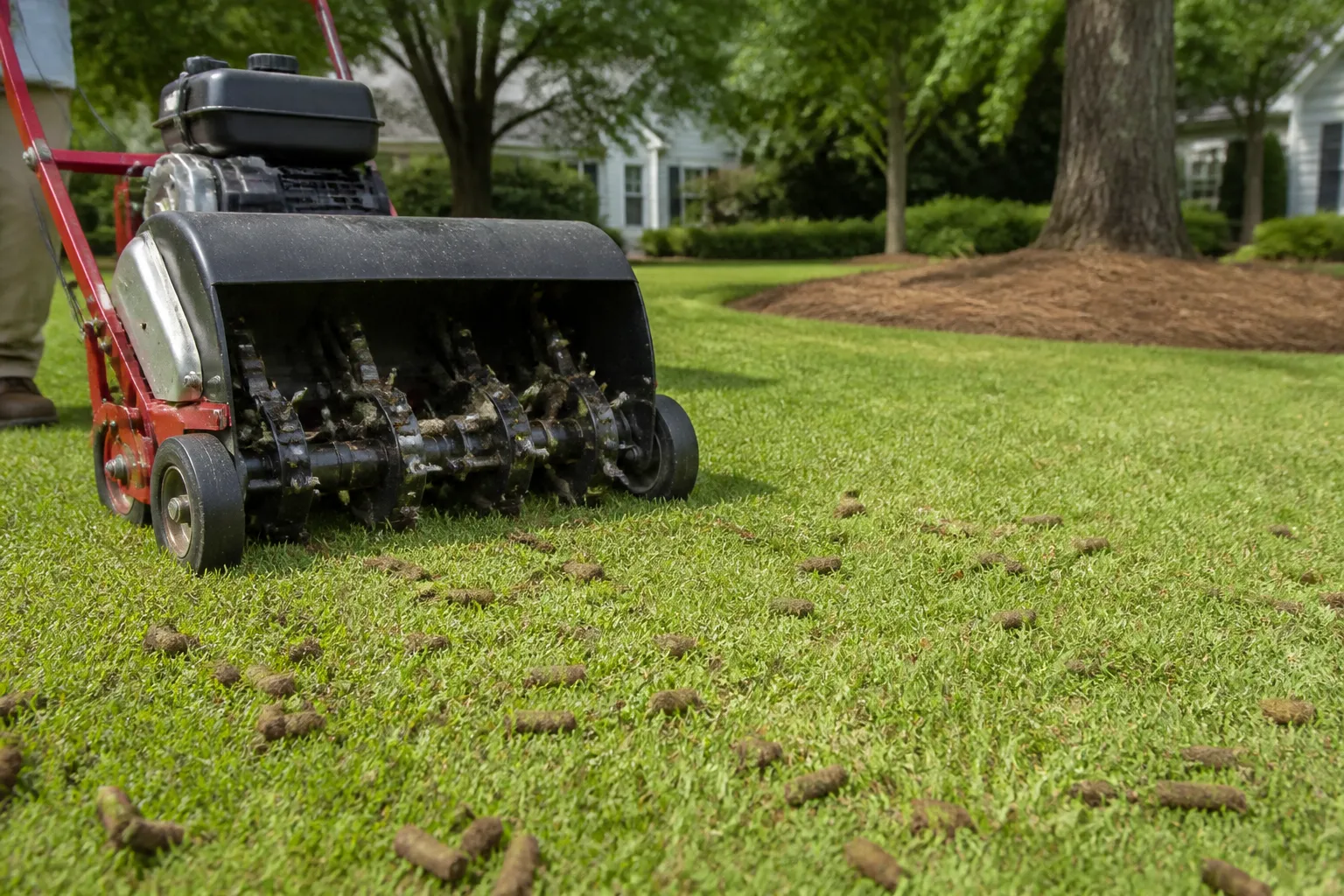
Good installation starts before the sod arrives. Remove dead turf and debris, address weeds, loosen compacted soil, correct grading issues, and prepare a firm, smooth seedbed. The sod should make close contact with the soil beneath it. After installation, follow a watering plan that keeps the root zone moist while the grass establishes, without leaving the area constantly saturated.
Clemson Extension notes that sod can be installed during much of the year in South Carolina, with mid-to-late spring and fall often preferred. Weather, soil moisture, and the specific grass still matter. Sodding during extreme heat or when the ground is saturated can make establishment harder, so schedule around conditions rather than the calendar alone.
When seed may make more sense
Seed can be a practical choice for larger areas and for grass types that establish well from seed. It gives homeowners more choice among some species and cultivars, but it takes longer to create a dense lawn. The seedbed needs good soil contact, and the surface generally must stay consistently moist through germination and early growth. That means more attention to irrigation, foot traffic, and erosion during establishment.
Timing is important in the Piedmont. Tall fescue is a cool-season grass used in suitable upper Piedmont sites, and Clemson Extension’s maintenance guidance places overseeding in the fall, commonly around September into early October. Warm-season grasses such as Bermuda are established during warmer soil conditions, with Clemson’s lawn-establishment guide giving early May as a general target for warm-season seeding across South Carolina. Adjust for the year’s weather and your yard’s conditions.
Also check whether your preferred grass is available as seed. Some warm-season turf varieties are established vegetatively rather than from seed. If you want a particular cultivar, verify the establishment method before buying materials.
Compare the tradeoffs
- Appearance: Sod gives faster visual coverage. Seeded areas take time to fill in and may look uneven during establishment.
- Establishment work: Sod needs a carefully prepared surface and close soil contact. Seed needs a prepared seedbed, good seed-to-soil contact, and frequent attention to moisture.
- Timing: Each grass has a preferred season. Do not choose seed or sod first and then assume it can be planted at any time without added risk.
- Species choice: Sun, shade, soil, drainage, and wear all affect which grass can thrive. The right grass for a sunny front yard may not suit a shaded backyard.
- Upkeep: Both options require establishment care. New grass needs appropriate watering, careful mowing, and protection from heavy traffic while roots develop.
Questions to answer before you choose
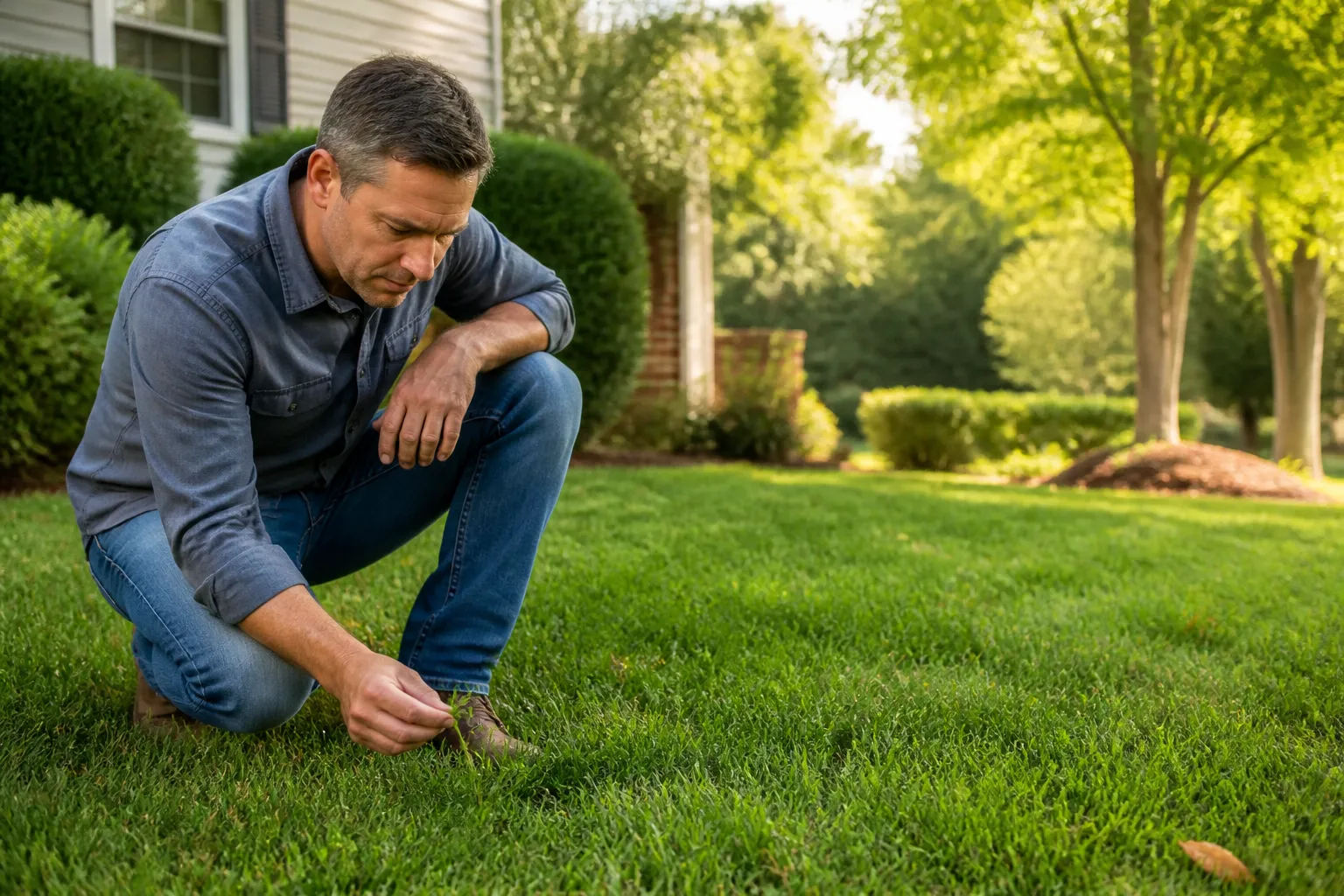
Measure the area and note whether the problem is isolated or widespread. If only a few small sections are bare, targeted repair may be more sensible than replacing the entire lawn. If the same area fails repeatedly, look for the cause: shade, compacted soil, poor drainage, erosion, or a grass that does not fit the site. A soil test can help with nutrient and pH questions, while a site inspection can reveal grading or irrigation issues.
Decide how much time you can give the new lawn during its first weeks. Seed is not a set-it-and-forget-it option. Sod also needs prompt watering and careful traffic management until it roots. Keep pets and regular foot traffic off the area as much as possible during establishment, and follow the care instructions for the species you select.
Choosing for a Rock Hill yard
For many local lawns, the most important first step is matching the grass to the site, not choosing sod or seed based on appearance alone. Clemson Extension’s lawn establishment guide covers grass selection, soil preparation, planting, and care. If the grass is still uncertain, check the light and drainage in each area and get advice before committing to a full renovation.
If sod fits your project, learn more about our sod installation service in Rock Hill. We can help you think through preparation, grass selection, and establishment care for your property.